
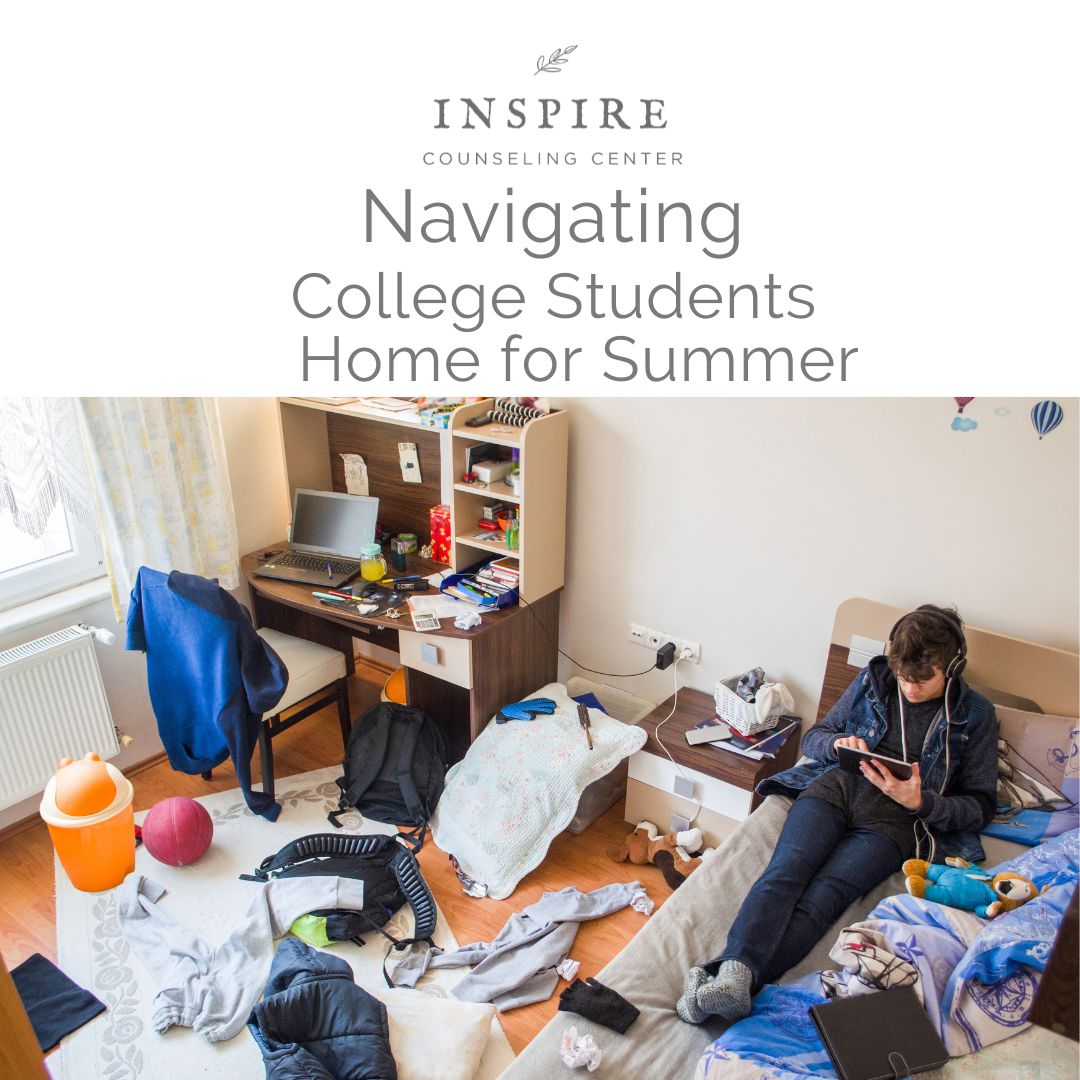
When Your College Student Comes Home: Navigating the Summer Transition Together
For many families, the end of the college year brings excitement, relief, and the promise of more time together. Parents look forward to having their child home again, and students may be eager for home-cooked meals, familiar routines, and a break from academic stress.
But after the initial excitement wears off, many families find themselves struggling with an unexpected challenge: adjusting to life together again.
At college, students spend months developing independence. They make their own schedules, choose when they sleep, eat, study, socialize, and manage responsibilities. Meanwhile, parents have adjusted to a quieter home and new routines of their own. When everyone comes back together under one roof, it’s common for tensions to arise.
The good news? These growing pains are normal—and they can be navigated with open communication, flexibility, and realistic expectations.
Why the Transition Can Feel So Difficult
The challenge often isn’t that anyone is doing something wrong. It’s that everyone has changed.
Parents may still see the child who left for college months ago, while students often return feeling more like adults. Parents may expect household participation and accountability, while students may feel they deserve a break after a demanding semester.
These differing expectations can create friction around:
- Curfews and social activities
- Household responsibilities
- Sleep schedules
- Privacy and personal space
- Financial expectations
- Communication styles
Rather than viewing these conflicts as signs of failure, try to see them as opportunities to renegotiate your relationship in a way that reflects your student’s growing independence.
Tips for Parents
1. Recognize Their Growth
Your student may still need guidance, but they’re likely not the same person who left for college.
Try to approach conversations with curiosity rather than assumptions. Ask about their experiences, opinions, and goals. Showing respect for their growing independence can strengthen your relationship and reduce power struggles.
2. Discuss Expectations Early
One of the biggest sources of conflict is unspoken expectations.
Before frustrations build, have a conversation about:
- Household chores
- Use of shared spaces
- Transportation
- Financial responsibilities
- Guests and overnight plans
- Family commitments
Clear expectations create fewer misunderstandings and help everyone feel respected.
3. Choose Your Battles
Not every difference requires correction. Your student may stay up later, sleep in more, or structure their day differently than you would prefer. Consider whether a behavior is truly problematic or simply different from how things were before college. Focusing on the issues that matter most can reduce unnecessary conflict.
4. Shift from Manager to Consultant
Many parents spend years actively managing their child’s life. As young adults develop independence, they often benefit more from support than supervision.
Instead of immediately offering solutions, try asking:
- “What are you thinking about doing?”
- “How can I support you?”
- “Would you like advice, or do you just need someone to listen?”
This approach encourages confidence and problem-solving skills.
Tips for College Students
1. Remember That Home Has Changed Too
Just as you’ve developed new routines and independence, your family has adjusted while you’ve been away. Try to be patient as everyone figures out how to live together again.
2. Communicate Your Needs
If you’re hoping for more independence than you had in high school, talk about it respectfully. Rather than assuming your parents know what you want, explain:
- How you’ve managed responsibilities at school
- What level of independence you’re seeking
- Why certain boundaries are important to you
Open conversations are often more effective than arguments.
3. Contribute to the Household
Being home doesn’t mean returning to childhood responsibilities—or lack thereof.
Helping with chores, cleaning up after yourself, and contributing to family life demonstrates maturity and can reduce tension.
4. Expect Some Adjustment Time
It’s normal for both you and your parents to slip back into old patterns occasionally.
Give yourselves grace. Healthy relationships aren’t built on perfection—they’re built on communication, repair, and mutual respect.
For the Whole Family: Focus on Connection
It’s easy to get caught up in disagreements about schedules, chores, or household rules. But remember that this season is temporary.
Your relationship is more important than winning any particular argument.
Make time for activities you enjoy together. Share meals. Ask questions. Listen to each other’s experiences. Celebrate the ways everyone has grown.
The transition home from college can be challenging, but it can also be an opportunity to build a new relationship—one that honors both family connection and emerging adulthood.
When Additional Support May Help
If conflicts feel constant, communication has broken down, or family members are struggling to navigate changing roles, therapy can provide a supportive space to work through these challenges.
At Inspire Counseling Center, we help families strengthen communication, navigate life transitions, and build healthier relationships. If your family is struggling with the adjustment of having a college student home, we’re here to help.

If you’d like to talk though any of this more, or want a warm hug or spot on our cozy couch, we are here to help! Call us at (847) 919-9096.
To see a list of our Therapists, click here.
Your happiness, is our happiness. Support is just a call, text or email away.