
It’s hard to watch your child struggle. Maybe they’re more worried, angry or tearful than usual. Maybe school, friendships or bedtime have become a daily battle. Or maybe you just have a feeling that something is off.
You don’t have to figure it out alone. Our child therapists help kids understand their feelings and build coping skills, and help parents learn how to support them at home. After a short phone call, we’ll recommend a therapist and a plan that fits your child.
Signs that your child may need therapy
- Frequent sadness, irritability or tears
- Big reactions or meltdowns that seem out of proportion
- Trouble with impulse control or following directions
- Battles over screen time
- Trouble focusing at school or at home
- Difficulty making or keeping friends
- Anger or overreacting to small things
- Specific fears or worries that get in the way
- Seeming hopeless or down on themselves
What our child therapists help with
- Anxiety, worries & fears: Help for kids who worry a lot or avoid things that scare them.
- Big feelings & meltdowns: Tools to name emotions and calm down.
- ADHD, focus & impulse control: Strategies for home and school.
- Behavior challenges: Clear, consistent support for kids and parents.
- Friendships & social skills: Building confidence with peers.
- Low mood & self-esteem: Helping kids feel good about who they are.
- Divorce, moves & family changes: Support through big transitions.
- Grief & hard experiences: A safe place to work through loss and difficult events.
- Hair pulling, skin picking & nail biting: Practical help for body-focused habits.
- Neurodivergent kids & sensory needs: Support that fits how your child’s brain works.
How child counseling works
Kids don’t always have the words for what they feel, so sessions don’t look like adult therapy. Depending on your child’s age and needs, therapists use conversation, art, games, books and play to help kids express themselves and practice new skills in a way that feels natural and safe.
We focus on practical skills kids can use right away: naming feelings, calming down, solving problems and getting along with others. We also give parents strategies to reinforce those skills at home.

Benefits your child may see
- Understanding and naming their feelings
- Coping strategies for stress and big emotions
- Knowing what triggers them
- Healthier relationships with friends, siblings and parents
- Better impulse control and focus
- Clearer, calmer communication
- More confidence and happiness
- A calmer home for the whole family

How the process works for parents
You know your child best, so you’re part of the process from the start.
- First session, parents only. You meet with the therapist to share your concerns, your child’s history and your goals, without your child in the room.
- Second session, together. You and your child meet the therapist together for the first 10–15 minutes. Then your child has time one-on-one with the therapist.
- Ongoing sessions. Your child meets with their therapist regularly. Optional parent sessions cover progress, goals and strategies to use at home.
If it would help, we also offer family therapy and parenting support.
You know your child best, so you’re part of the process from the start.
First session, parents only. You meet with the therapist to share your concerns, your child’s history and your goals, without your child in the room.
Second session, together. You and your child meet the therapist together for the first 10–15 minutes. Then your child has time one-on-one with the therapist.
Ongoing sessions. Your child meets with their therapist regularly. Optional parent sessions cover progress, goals and strategies to use at home.
If it would help, we also offer family therapy and parenting support.
Child Counseling in Northbrook, Evanston and Kenilworth
Your child can meet their therapist at any of our three offices.
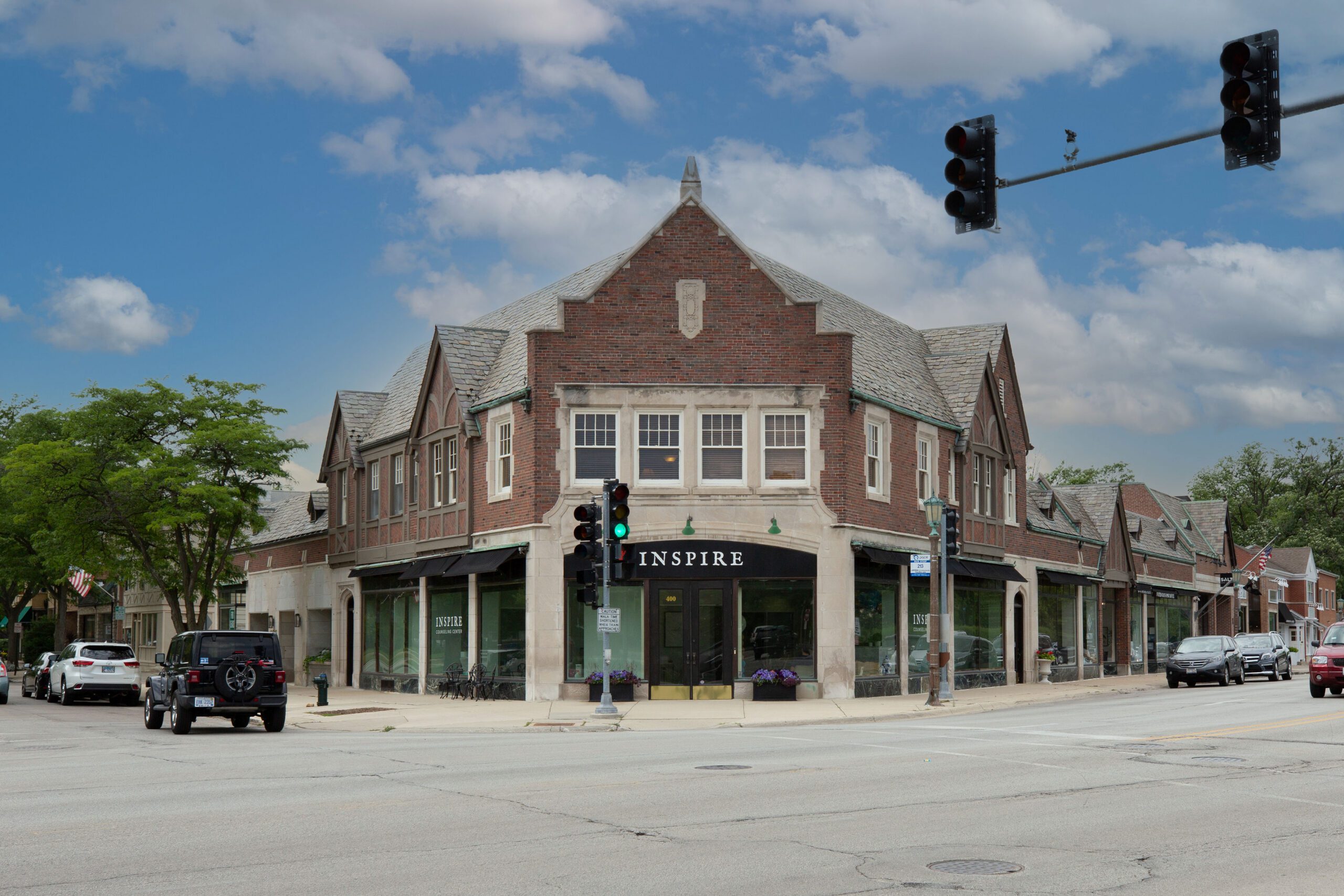
Kenilworth, IL
Family-focused care on Green Bay Road, minutes from Winnetka and Wilmette.

Northbrook, IL
Our Dundee Road office, convenient to Glenview, Deerfield and Highland Park.
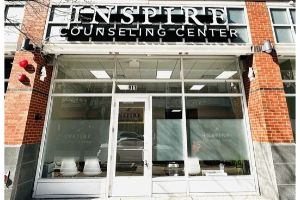
Evanston, IL
Downtown on Church Street, near public transit and Northwestern.
Child counseling FAQ
What ages do you work with? Our child therapists work with kids ages 3–11. For kids 12 and older, see our teen counseling page.
Do you offer play therapy? Many of our child therapists use play, art and games in sessions, because that’s how kids naturally express themselves. If you’re looking for a therapist with specialized play therapy training, let us know on your match call and we’ll tell you who’s available.
What should I tell my child before the first visit? Keep it simple and positive. You might say they’ll be meeting someone whose job is to help kids with feelings, and that they’ll get to talk, draw or play. Avoid framing it as a punishment or a sign that something is wrong with them.
Why is the first session just for parents? It gives you space to share concerns and history openly, without your child hearing it. It also helps the therapist plan the best way to connect with your child.
How will I know if it’s working? Your therapist will set goals with you early on and check in about progress in parent sessions. Many parents notice small changes at home first, like calmer bedtimes or fewer meltdowns.
How much does therapy cost? Cost depends on your insurance and your therapist. We accept many plans and offer out-of-network options. See our rates & insurance page or call (847) 919-9096.